Heart health is one of the most important parts of overall well-being. Many people ignore early symptoms of heart problems until they become serious. However, recognizing warning signs early and consulting a heart specialist at the right time can prevent major complications.
Heart disease can affect people of all ages due to stress, unhealthy eating habits, lack of exercise, smoking, and other lifestyle factors. That is why many individuals search for a heart doctor near me when they experience symptoms related to heart health.
In this blog, you will learn when to consult a heart specialist, common warning signs, risk factors, treatment options, and tips for maintaining a healthy heart.
Who Is a Heart Specialist?
A heart specialist is a medical doctor trained to diagnose and treat heart-related conditions. These doctors are also called cardiologists.
They help manage conditions such as:
- High blood pressure
- Heart disease
- Irregular heartbeat
- Chest pain
- Heart failure
People often search for a heart doctor near me when they need expert care for symptoms affecting the heart or blood circulation.
Common Symptoms That Need Immediate Attention
Many heart conditions begin with mild symptoms. Early medical care can prevent complications and improve recovery.
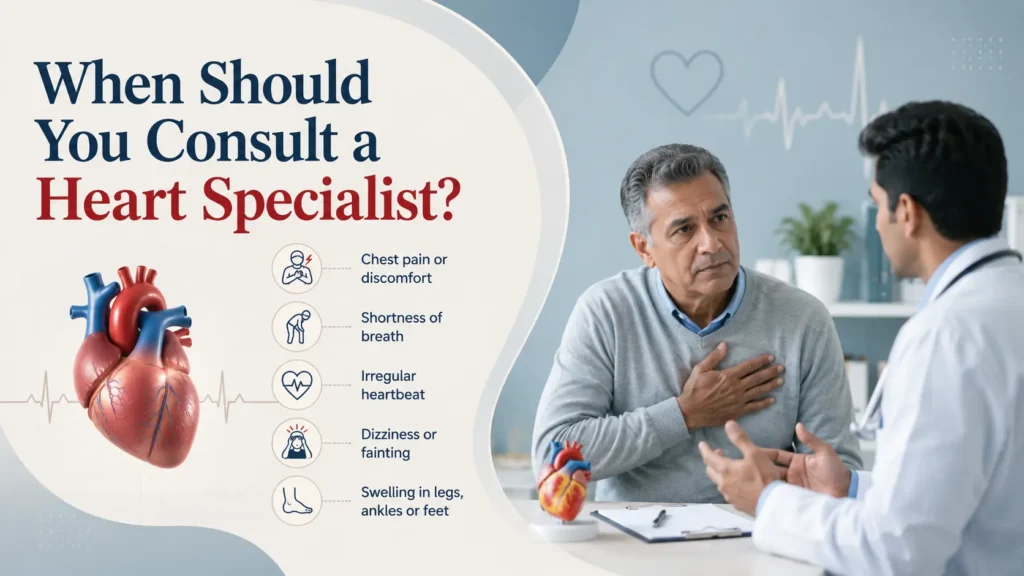
Chest Pain or Discomfort
Chest pain is one of the most common reasons people consult a heart specialist. The pain may feel like pressure, tightness, or heaviness in the chest.
Shortness of Breath
Difficulty breathing during daily activities or while resting can indicate a heart problem.
If you experience this symptom regularly, searching for a heart doctor near me and getting evaluated is important.
Irregular Heartbeat
A fast, slow, or uneven heartbeat may indicate an underlying heart condition.
Swelling in Legs or Feet
Poor blood circulation can cause swelling in the lower body. This symptom may require evaluation by a heart specialist.
Fatigue and Weakness
Extreme tiredness without a clear reason can sometimes be related to heart disease.
Risk Factors for Heart Disease
Several factors increase the risk of heart problems.
High Blood Pressure
Uncontrolled blood pressure puts extra strain on the heart.
Diabetes
Diabetes increases the risk of heart disease and circulation problems.
Smoking and Alcohol
Smoking damages blood vessels and increases the risk of serious heart conditions.
Obesity
Excess weight affects blood circulation and heart function.
Understanding these risks helps people seek a heart doctor near me before complications develop.
When Should You Consult a Heart Specialist?
Many people wait until symptoms become severe. However, early consultation improves treatment outcomes.
Persistent Chest Pain
If chest discomfort lasts for several minutes or keeps returning, consult a heart specialist immediately.
Family History of Heart Disease
People with a family history of heart problems should attend regular screenings.
High Cholesterol Levels
High cholesterol can block blood vessels and increase the risk of heart attack.
Frequent Dizziness
Dizziness or fainting may indicate poor blood flow or heart rhythm issues.
If these symptoms occur, finding a trusted heart doctor near me is essential for proper diagnosis.
Importance of Early Diagnosis
Early diagnosis can save lives.
Better Treatment Outcomes
Detecting heart disease early allows doctors to start treatment before complications worsen.
Reduced Risk of Heart Attack
Timely medical care lowers the risk of severe heart conditions.
Improved Quality of Life
Patients who receive early treatment often experience better long-term health and mobility.
Regular check-ups with a heart specialist support early detection and prevention.
Tests Performed by Heart Specialists
Cardiologists use different tests to evaluate heart health.
Electrocardiogram (ECG)
An ECG checks the electrical activity of the heart.
Echocardiogram
This imaging test evaluates heart structure and blood flow.
Stress Test
Doctors use stress tests to check how the heart functions during physical activity.
These tests help a heart specialist diagnose problems accurately.
Treatment Options for Heart Conditions
Modern cardiology offers several treatment methods based on the patient’s condition.
Lifestyle Changes
Healthy habits are often the first step in treatment.
Medications
Doctors may prescribe medicines to control blood pressure, cholesterol, or irregular heartbeat.
Surgical Procedures
In severe cases, surgery or minimally invasive procedures may be required.
Consulting a heart doctor near me ensures access to proper treatment and ongoing monitoring.
Healthy Lifestyle Tips for Better Heart Health
Prevention is always better than treatment.
Eat a Heart-Healthy Diet
Choose foods rich in fruits, vegetables, whole grains, and healthy fats.
Exercise Regularly
Physical activity improves blood circulation and strengthens the heart.
Avoid Smoking
Quitting smoking significantly reduces heart disease risk.
Manage Stress
Stress affects blood pressure and overall heart function.
Following these habits reduces the need for emergency visits to a heart specialist.
Importance of Regular Health Check-Ups
Routine health check-ups help detect heart issues early.
Doctors monitor:
- Blood pressure
- Cholesterol levels
- Blood sugar
- Heart rhythm
Regular screenings help patients stay healthy and reduce long-term risks.
Searching for a reliable heart doctor near me for periodic evaluations can support better heart health.
Choosing the Right Heart Specialist
Selecting an experienced cardiologist is important for effective treatment.
Check Qualifications and Experience
Choose doctors with expertise in treating heart conditions.
Look for Modern Facilities
Hospitals with advanced cardiac technology provide better diagnosis and care.
Consider Patient Support
Good communication and proper guidance improve patient confidence during treatment.
A trusted heart specialist provides complete support for prevention, diagnosis, and recovery.
Conclusion
Heart disease can become serious if warning signs are ignored. Therefore, understanding symptoms and consulting a heart specialist at the right time is essential for protecting your health.
If you notice chest pain, shortness of breath, or unusual fatigue, do not delay medical care. Searching for a trusted heart doctor near me can help you access expert treatment and early diagnosis.
Healthy habits, regular screenings, and timely medical attention all contribute to a stronger and healthier heart. Take care of your heart today for a better future.