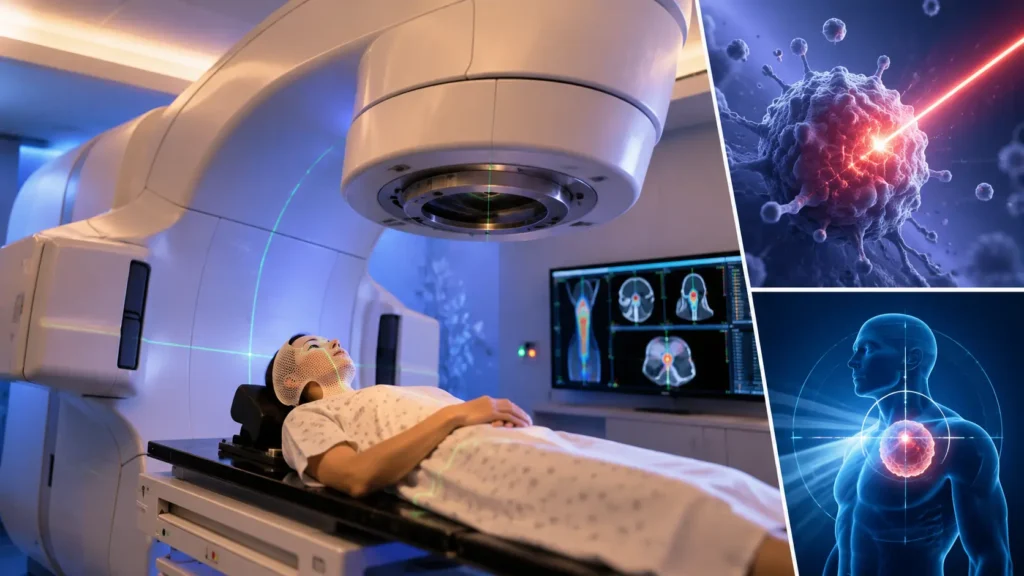
Radiation Oncology plays a vital role in modern cancer treatment by using advanced technology to target and destroy cancer cells while protecting healthy tissues. Many patients receive Radiation therapy as part of their cancer care plan to reduce tumors, control cancer growth, or eliminate cancer completely. Thanks to continuous medical advancements, radiation treatment has become more accurate, safer, and more effective than ever before.
Whether used alone or combined with surgery, chemotherapy, or immunotherapy, radiation oncology helps improve treatment outcomes and quality of life. Understanding how this treatment works allows patients and their families to make informed healthcare decisions.
In this blog, we will explain radiation oncology, its benefits, treatment process, types, side effects, recovery, and how it supports successful cancer care.
What Is Radiation Oncology?
Radiation Oncology is a specialized branch of medicine that uses carefully controlled high-energy radiation to destroy cancer cells or stop them from growing. Highly trained radiation oncologists design personalized treatment plans based on the type, location, and stage of cancer.
The goal is to deliver the right amount of radiation to the tumor while minimizing damage to surrounding healthy tissues.
What Is Radiation Therapy?
Radiation therapy is the treatment method used in radiation oncology. It uses high-energy beams, such as X-rays or other forms of radiation, to damage the DNA of cancer cells. As a result, cancer cells lose their ability to grow and divide.
Depending on the patient’s condition, radiation therapy may be used:
- Before surgery to shrink tumors
- After surgery to destroy remaining cancer cells
- Along with chemotherapy
- As the primary treatment
- To relieve symptoms in advanced cancer
Why Radiation Oncology Is Important
Cancer treatment often requires a combination of therapies. Radiation Oncology provides highly targeted treatment that helps preserve healthy tissue while effectively treating cancer.
Some important benefits include:
- Precise tumor targeting
- Non-invasive treatment
- Better cancer control
- Improved survival rates
- Pain relief in advanced cancers
- Better quality of life
Modern technology has made radiation treatment more accurate and efficient.
Types of Radiation Therapy
Several forms of Radiation therapy are available depending on the cancer type and location.
External Beam Radiation Therapy
This is the most common treatment. A machine delivers radiation from outside the body directly to the cancer.
Internal Radiation Therapy (Brachytherapy)
Radioactive material is placed inside or near the tumor to provide targeted treatment.
Stereotactic Radiation Therapy
High doses of radiation are delivered with exceptional precision over one or a few treatment sessions.
Proton Therapy
Proton therapy uses proton beams that reduce radiation exposure to surrounding healthy tissues.
Your doctor recommends the most suitable treatment based on your individual condition.
Conditions Treated with Radiation Oncology
Radiation Oncology is used to treat many different cancers, including:
- Breast cancer
- Lung cancer
- Prostate cancer
- Brain tumors
- Cervical cancer
- Head and neck cancers
- Rectal cancer
- Skin cancer
It also helps manage symptoms in advanced stages of cancer.
How Radiation Therapy Is Planned
Every patient receives an individualized treatment plan.
The planning process usually includes:
- Medical evaluation
- Imaging scans
- CT simulation
- Treatment mapping
- Dose calculation
- Scheduling treatment sessions
Advanced computer technology ensures that radiation reaches the tumor accurately.
What Happens During Treatment?
Most Radiation therapy sessions are quick and painless.
During treatment:
- The patient lies comfortably on a treatment table.
- The treatment team positions the body carefully.
- The machine delivers radiation to the targeted area.
- The session usually lasts only a few minutes.
Patients can usually return home the same day.
Benefits of Radiation Therapy
Modern Radiation therapy offers several important advantages.
These include:
- Highly accurate treatment
- Reduced damage to healthy tissue
- Minimal discomfort
- Outpatient treatment
- Faster recovery than major surgery
- Improved cancer control
These benefits have made radiation one of the most effective cancer treatment options.
Possible Side Effects
Like any medical treatment, radiation may cause side effects.
Common side effects include:
- Fatigue
- Skin irritation
- Hair loss in treated areas
- Mild swelling
- Temporary discomfort
- Difficulty swallowing (for throat treatments)
Most side effects improve gradually after treatment is completed.
Tips During Radiation Treatment
Patients can support recovery by following healthy habits.
Helpful tips include:
- Eat nutritious meals.
- Drink enough water.
- Get sufficient rest.
- Follow your doctor’s instructions.
- Protect treated skin from sunlight.
- Avoid smoking and alcohol.
Healthy habits support better healing throughout treatment.
Importance of Follow-Up Care
After completing Radiation Oncology treatment, regular follow-up visits remain important.
Doctors monitor:
- Treatment response
- Recovery progress
- Possible side effects
- Cancer recurrence
- Overall health
Routine follow-up improves long-term treatment outcomes.
Common Myths About Radiation Oncology
Several misconceptions cause unnecessary fear.
Myth: Radiation Is Extremely Painful
Radiation treatment itself is painless.
Myth: Patients Become Radioactive
External beam radiation does not make patients radioactive.
Myth: Radiation Always Causes Severe Side Effects
Many patients experience only mild, temporary side effects that improve with time.
Learning the facts helps reduce anxiety before treatment.
Choosing the Right Cancer Care Center
Selecting an experienced hospital improves treatment quality.
Consider:
- Experienced radiation oncologists
- Modern equipment
- Advanced imaging technology
- Personalized treatment plans
- Comprehensive cancer care
- Supportive rehabilitation services
Quality healthcare contributes to better patient outcomes.
Future of Radiation Oncology
Medical technology continues to improve cancer treatment.
Recent advancements include:
- Image-guided radiation therapy
- Intensity-modulated radiation therapy
- Adaptive radiation therapy
- Artificial intelligence-assisted planning
- Improved proton therapy
These innovations continue to make Radiation Oncology safer and more effective.
Conclusion
Radiation Oncology has transformed modern cancer treatment by providing highly accurate and effective care for many types of cancer. Combined with advanced Radiation therapy techniques, it helps destroy cancer cells while protecting healthy tissues and improving patient outcomes.
Early diagnosis, personalized treatment planning, and regular follow-up care all contribute to successful cancer management. By choosing experienced specialists and following recommended treatment plans, patients can receive safe, effective, and compassionate cancer care that supports long-term health and recovery.