Mental health is an important part of overall well-being. Conditions such as depression, anxiety, and certain neurological disorders can affect daily life, relationships, and work. Modern medicine now offers advanced treatment options that improve mental health when traditional therapies may not provide enough relief. Brain stimulation therapy is one such treatment that helps regulate brain activity and improve symptoms in selected patients. While maintaining good health also includes awareness of Cancer prevention, focusing on proper mental health care allows people to live healthier and more productive lives.
Doctors recommend brain stimulation therapy only after a detailed medical evaluation. It is performed by trained specialists using advanced technology and is often combined with counseling, medication, and lifestyle changes for better outcomes.
In this blog, you will learn what brain stimulation therapy is, how it works, its benefits, who may benefit from it, and why maintaining overall health remains equally important.
What Is Brain Stimulation Therapy?
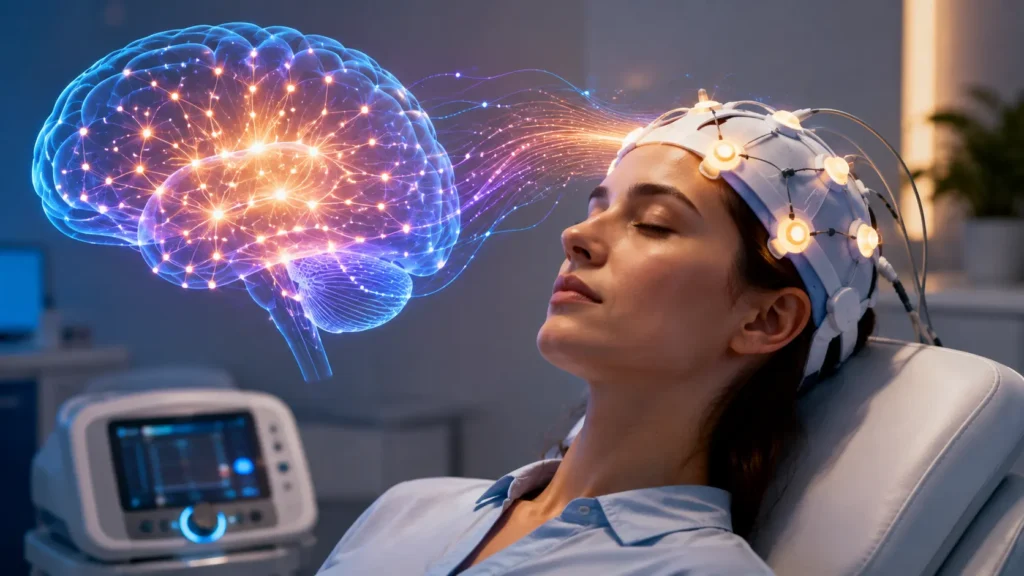
Brain stimulation therapy is a medical treatment that uses electrical or magnetic stimulation to influence specific areas of the brain. It aims to improve brain function and reduce symptoms of certain mental health and neurological conditions.
Some commonly used types include:
- Transcranial Magnetic Stimulation (TMS)
- Deep Brain Stimulation (DBS)
- Electroconvulsive Therapy (ECT)
- Vagus Nerve Stimulation (VNS)
Each treatment is selected based on the patient’s medical condition and the advice of a qualified healthcare professional.
How Does Brain Stimulation Therapy Work?
The brain communicates through electrical signals. In some medical conditions, these signals may not function properly.
Brain stimulation therapy helps by:
- Stimulating targeted brain regions
- Improving communication between brain cells
- Supporting normal brain activity
- Reducing symptoms associated with certain disorders
The exact treatment method depends on the patient’s diagnosis and overall health.
Conditions That May Benefit
Doctors may recommend this therapy for selected patients with conditions such as:
- Major depression
- Obsessive-compulsive disorder (OCD)
- Parkinson’s disease
- Epilepsy
- Essential tremor
- Certain chronic pain conditions
Not every patient requires this therapy. A specialist determines whether it is suitable after a complete evaluation.
Benefits of Brain Stimulation Therapy
Many patients experience positive results when treatment is carefully planned.
Benefits may include:
- Improved mood
- Reduced depression symptoms
- Better quality of life
- Enhanced daily functioning
- Improved focus and concentration
- Better response when combined with other treatments
Results vary depending on the individual’s condition and treatment plan.
Types of Brain Stimulation Therapy
Transcranial Magnetic Stimulation (TMS)
TMS uses magnetic pulses to stimulate targeted areas of the brain. It is a non-invasive treatment commonly used for treatment-resistant depression.
Deep Brain Stimulation (DBS)
DBS involves implanting electrodes in specific areas of the brain to help manage certain neurological disorders such as Parkinson’s disease.
Electroconvulsive Therapy (ECT)
ECT is performed under anesthesia and may be recommended for severe depression or other serious psychiatric conditions when other treatments have not been effective.
Vagus Nerve Stimulation (VNS)
VNS uses a small implanted device to stimulate the vagus nerve and may help certain patients with epilepsy or depression.
Who Can Benefit?
Doctors may recommend Brain stimulation therapy for patients who:
- Have not responded well to medications
- Experience severe depression
- Have specific neurological disorders
- Require specialized treatment under expert supervision
A complete medical assessment helps determine the best treatment option.
Is Brain Stimulation Therapy Safe?
Brain stimulation therapies are performed by trained healthcare professionals using established medical guidelines.
Before treatment, doctors evaluate:
- Medical history
- Current medications
- Overall health
- Possible risks
- Expected benefits
Following medical advice helps improve treatment safety and outcomes.
Supporting Mental Health Naturally
Medical treatment works best when combined with healthy daily habits.
Helpful practices include:
- Getting enough sleep
- Eating a balanced diet
- Exercising regularly
- Managing stress
- Staying socially connected
- Following medical advice
These habits support overall brain health and emotional well-being.
Importance of Cancer Prevention
Although this blog focuses on mental health, maintaining overall wellness also includes Cancer prevention.
Simple Cancer prevention measures include:
- Avoiding tobacco products
- Eating nutritious foods
- Maintaining a healthy weight
- Exercising regularly
- Limiting alcohol consumption
- Attending regular health screenings
Preventive healthcare supports long-term physical and mental wellness.
Common Myths
Brain Stimulation Therapy Is Painful
Many forms of therapy, such as TMS, are non-invasive and generally well tolerated.
It Is Only for Severe Illness
Some therapies are used when other treatments have not been successful, but eligibility depends on individual medical evaluation.
Mental Health Treatment Is Only Medication
Many patients benefit from a combination of therapy, medication, lifestyle changes, and supportive care.
When Should You See a Doctor?
Consult a healthcare professional if you experience:
- Persistent sadness
- Loss of interest in daily activities
- Severe anxiety
- Difficulty concentrating
- Changes in sleep or appetite
- Thoughts of self-harm or hopelessness
Early treatment often leads to better outcomes.
Future of Brain Stimulation Therapy
Research continues to improve the safety and effectiveness of Brain stimulation therapy.
Future developments may include:
- More personalized treatment plans
- Improved targeting techniques
- Better technology
- Expanded treatment options for neurological disorders
Advances in medical science continue to improve patient care.
Conclusion
Mental health deserves the same attention as physical health. Brain stimulation therapy offers a valuable treatment option for selected patients with depression and certain neurological disorders when recommended by healthcare professionals. Combined with counseling, medication, and healthy lifestyle habits, it can improve quality of life and daily functioning.
At the same time, maintaining overall wellness through healthy habits and Cancer prevention supports long-term health. If you or someone you know is experiencing ongoing mental health concerns, consult a qualified healthcare provider to discuss the most appropriate treatment options.