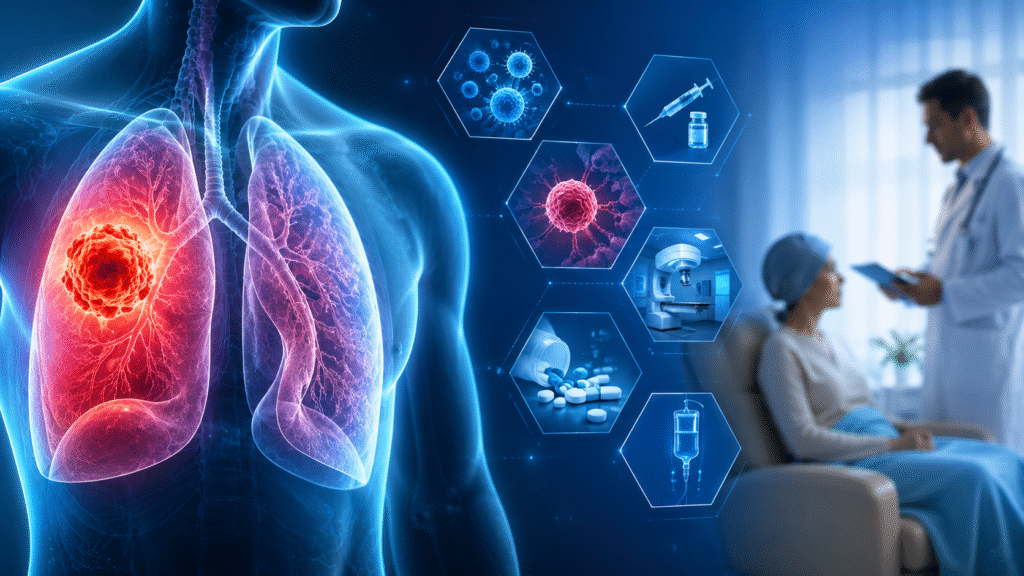
Lung cancer can affect people in different ways, so treatment depends on the type, stage, overall health, and specific features of the cancer. Lung Cancer Treatment may include surgery, radiation, chemotherapy, targeted therapy, immunotherapy, or a combination of these approaches. Understanding the available options can help patients and families prepare for discussions with their healthcare team and make informed decisions about care.
A diagnosis can feel overwhelming at first. However, learning what happens after diagnosis can make the process easier to understand. Doctors usually consider several factors before recommending a treatment plan. The goal may be to remove the cancer, control its growth, reduce symptoms, or improve quality of life.
What Is Lung Cancer?
Lung cancer begins when abnormal cells in the lungs grow and divide without normal control. Over time, these cells can form a tumor and may spread to nearby tissues or other parts of the body.
Doctors generally divide lung cancer into two major types:
- Non-small cell lung cancer
- Small cell lung cancer
These types behave differently and may require different treatment approaches.
Types of Lung Cancer
Non-Small Cell Lung Cancer
Non-small cell lung cancer is the most common type. It includes several subtypes, such as adenocarcinoma, squamous cell carcinoma, and large cell carcinoma.
Treatment depends on the stage and characteristics of the tumor. Some patients may undergo surgery, while others may receive radiation, chemotherapy, targeted therapy, immunotherapy, or a combination.
Small Cell Lung Cancer
Small cell lung cancer tends to grow and spread more quickly. Doctors commonly use chemotherapy and radiation as important parts of treatment. Immunotherapy may also form part of treatment for some patients.
Because small cell lung cancer can progress rapidly, timely evaluation and treatment planning matter.
How Is Lung Cancer Diagnosed?
Doctors use several tests to understand whether a person has lung cancer and how far it has progressed.
Common tests may include:
- Chest X-ray
- CT scan
- PET scan
- MRI in selected situations
- Bronchoscopy
- Lung biopsy
- Blood tests
A biopsy allows doctors to examine tissue under a microscope. Additional testing may identify specific molecular changes in the cancer cells. These results can help doctors choose treatments that are more appropriate for an individual patient.
Understanding Cancer Stages
The stage describes how much cancer is present and whether it has spread.
In general, early-stage lung cancer remains limited to the lung or nearby areas. Later stages may involve lymph nodes or distant organs.
Staging helps the medical team determine the most suitable treatment strategy. It also helps doctors discuss expected outcomes with patients.
Surgery for Lung Cancer
Surgery can play an important role when the cancer remains localized and the patient can safely undergo an operation.
Depending on the tumor’s location and size, surgeons may remove:
- A small section of lung
- A lobe of the lung
- A larger portion of the lung in selected cases
The surgical approach depends on several factors, including the cancer stage, lung function, and general health.
After surgery, patients may need time to recover. Breathing exercises, physical activity as recommended by the care team, proper nutrition, and follow-up appointments can support recovery.
Radiation Therapy
Radiation therapy uses high-energy radiation to damage cancer cells. Doctors may use it alone or combine it with other treatments.
Radiation can help treat lung cancer in different situations. For example, it may help control an early tumor when surgery is not suitable. It may also help treat cancer that has spread to certain areas or reduce symptoms caused by a tumor.
Modern radiation techniques allow doctors to plan treatment carefully around the tumor and nearby healthy tissues.
Chemotherapy
Chemotherapy uses medicines that target rapidly dividing cancer cells. Doctors may recommend chemotherapy before surgery, after surgery, together with radiation, or for advanced disease.
The exact medicines and treatment schedule vary from person to person.
Some people experience side effects such as:
- Tiredness
- Nausea
- Appetite changes
- Hair loss
- Increased infection risk
- Mouth sores
Not everyone experiences the same effects. Patients should tell their medical team about any new or severe symptoms because supportive treatments can often help manage side effects.
Targeted Therapy
Some lung cancers contain specific genetic or molecular changes that help the cancer grow. Doctors can test tumor tissue for these changes.
If testing identifies a suitable target, targeted medicines may provide another treatment option.
Targeted therapy focuses on specific features of cancer cells rather than affecting all rapidly dividing cells in the same way as traditional chemotherapy.
This approach shows why molecular testing can be important, particularly for certain types of non-small cell lung cancer.
Immunotherapy
Immunotherapy helps the immune system recognize and attack cancer cells. It has become an important treatment option for some people with advanced lung cancer.
Doctors may use immunotherapy alone or combine it with chemotherapy or other treatments, depending on the patient’s cancer characteristics.
Immune-related side effects can affect different organs, so patients should report unusual symptoms to their healthcare team promptly.
Role of a Cancer Doctor
A Cancer doctor, often an oncologist, helps evaluate cancer and develop an appropriate treatment plan. Different specialists may work together depending on the patient’s needs.
The care team may include:
- Medical oncologist
- Radiation oncologist
- Thoracic surgeon
- Pulmonologist
- Radiologist
- Pathologist
- Oncology nurses
- Nutrition and rehabilitation professionals
This team-based approach helps address the cancer itself as well as symptoms, nutrition, recovery, and emotional support.
What to Expect During Treatment
Every patient’s treatment journey looks different. Before starting treatment, doctors usually explain the recommended approach, expected benefits, possible side effects, and follow-up schedule.
Patients may have:
- Diagnostic testing
- Cancer staging
- Treatment planning
- Active treatment
- Follow-up appointments
- Monitoring for response and side effects
Some treatments occur in cycles, while others may involve daily or scheduled sessions over several weeks.
Keeping a written list of medications, symptoms, appointments, and questions can make communication with the healthcare team easier.
Managing Side Effects
Cancer treatment can affect the body in different ways. Side effects depend on the treatment type, dosage, and individual health.
Patients should discuss symptoms such as severe pain, persistent vomiting, breathing difficulty, fever, or unusual weakness with their medical team.
Simple measures may also support overall well-being:
- Eat nutritious meals when possible.
- Drink enough fluids.
- Get adequate rest.
- Stay physically active when your doctor recommends it.
- Avoid tobacco.
- Attend scheduled follow-ups.
Do not start supplements or alternative treatments without discussing them with your doctor because some products can interfere with cancer medicines.
Importance of Follow-Up Care
Treatment does not always end with the final chemotherapy session, radiation appointment, or surgery. Follow-up care helps doctors monitor recovery and check whether the cancer has responded to treatment.
Follow-up may include:
- Physical examinations
- Imaging tests
- Blood tests
- Lung function assessments
- Discussion of symptoms
Regular follow-up also gives patients an opportunity to discuss new concerns.
How Patients Can Prepare
Preparing for treatment can make the process more manageable.
Before an appointment, consider asking:
- What type and stage of lung cancer do I have?
- What treatment options are appropriate?
- What is the goal of treatment?
- Should my tumor undergo molecular testing?
- What side effects should I expect?
- How long will treatment last?
- What symptoms require immediate attention?
- Will I need help at home?
A trusted family member or friend can also attend appointments and take notes.
The Importance of Early Medical Attention
Persistent symptoms such as a long-lasting cough, coughing up blood, unexplained weight loss, chest pain, repeated respiratory infections, or unexplained shortness of breath should receive medical attention.
These symptoms can occur with conditions other than lung cancer, so they do not automatically mean cancer. However, timely evaluation can help identify the cause and start appropriate care when needed.
Conclusion
Lung Cancer Treatment has developed significantly, giving doctors several options for managing different types and stages of lung cancer. Surgery, radiation therapy, chemotherapy,targeted therapy, and immunotherapy may each have a role depending on the individual situation.
A Cancer doctor works with other specialists to review test results, understand the cancer, and create a treatment plan based on the patient’s needs. Patients should ask questions, report side effects, attend follow-up appointments, and follow their healthcare team’s recommendations.
Most importantly, treatment should remain individualized. There is no single approach that works for every patient. A detailed medical evaluation is the best starting point for understanding which options may be suitable.