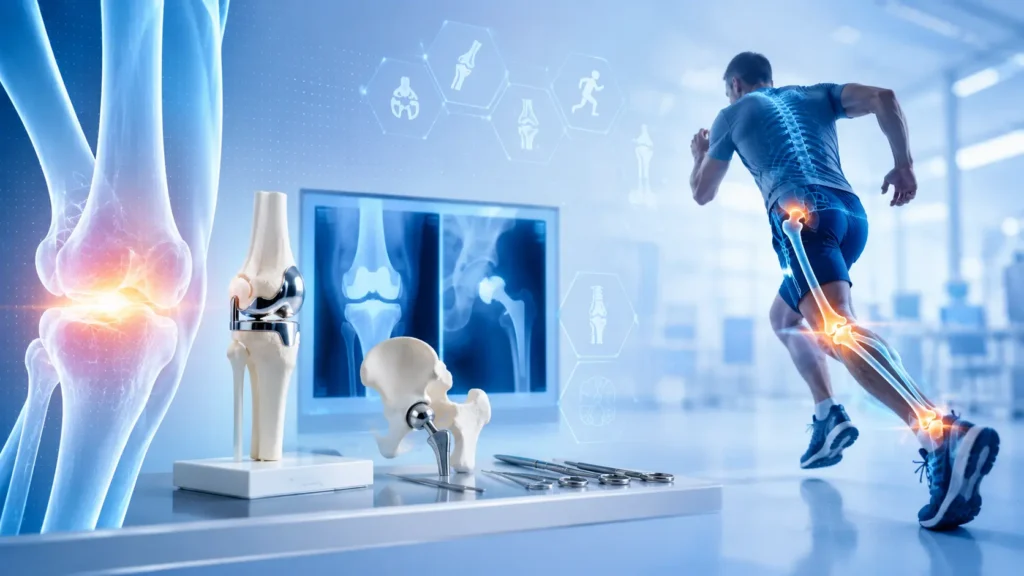
Our bones, joints, muscles, and ligaments help us move comfortably every day. Whether you are walking, running, working, or playing sports, a healthy musculoskeletal system is essential for an active life. However, injuries, aging, arthritis, and other medical conditions can affect mobility and cause pain. Fortunately, Modern Orthopedics has transformed the way these conditions are diagnosed and treated.
With the help of Advanced orthopedic care, patients now benefit from accurate diagnosis, minimally invasive procedures, faster recovery, and personalized treatment plans. These advancements allow people to return to their daily activities with improved comfort and confidence.
In this blog, we will explore modern orthopedic treatments, common conditions, preventive care, and how advanced medical technology is improving movement and quality of life.
What Is Modern Orthopedics?
Modern Orthopedics is a medical specialty focused on diagnosing, treating, preventing, and rehabilitating conditions affecting bones, joints, muscles, tendons, ligaments, and the spine.
Unlike traditional treatment methods, modern orthopedic care combines medical expertise with advanced imaging, minimally invasive surgery, rehabilitation, and personalized treatment plans.
The goal is not only to relieve pain but also to restore strength, flexibility, and long-term mobility.
Why Advanced Orthopedic Care Is Important
Musculoskeletal disorders can affect people of every age. Children, adults, athletes, and older individuals may all experience bone or joint problems.
Advanced orthopedic care offers several important benefits:
- Earlier diagnosis
- More accurate treatment planning
- Less invasive procedures
- Faster recovery
- Better pain management
- Improved mobility
- Lower risk of complications
These advantages help patients regain independence and return to their normal activities sooner.
Common Conditions Treated by Orthopedic Specialists
Orthopedic doctors manage a wide variety of conditions.
Some of the most common include:
- Arthritis
- Joint pain
- Sports injuries
- Fractures
- Back pain
- Neck pain
- Shoulder injuries
- Knee injuries
- Hip disorders
- Tendon and ligament injuries
Through Modern Orthopedics, many of these conditions can be treated successfully without extensive surgery.
Advanced Diagnostic Techniques
Accurate diagnosis is the first step toward effective treatment.
Orthopedic specialists use several modern diagnostic tools, including:
- Digital X-rays
- MRI scans
- CT scans
- Ultrasound imaging
- Bone density testing
These technologies allow doctors to identify injuries and diseases with greater precision, making Advanced orthopedic care more effective.
Minimally Invasive Orthopedic Surgery
One of the biggest improvements in Modern Orthopedics is the use of minimally invasive surgical techniques.
These procedures involve smaller incisions compared to traditional surgery.
Benefits include:
- Reduced pain
- Smaller scars
- Less blood loss
- Shorter hospital stay
- Faster healing
- Lower infection risk
Many patients recover more quickly and resume daily activities sooner after minimally invasive procedures.
Joint Replacement Surgery
Joint replacement has become highly successful due to improvements in medical technology.
Common replacement procedures include:
- Knee replacement
- Hip replacement
- Shoulder replacement
Today, Advanced orthopedic care allows surgeons to use durable implants and precise surgical techniques that improve long-term outcomes.
Patients often experience significant pain relief and better mobility after recovery.
Sports Injury Management
Sports injuries affect both professional athletes and active individuals.
Common injuries include:
- Ligament tears
- Muscle strains
- Tendon injuries
- Fractures
- Cartilage damage
Orthopedic specialists create personalized treatment plans that may include medication, physical therapy, or surgery when necessary.
Early treatment through Modern Orthopedics helps reduce recovery time and lowers the risk of future injuries.
The Importance of Physical Therapy
Rehabilitation plays a major role in orthopedic recovery.
Physical therapy helps patients:
- Improve flexibility
- Increase muscle strength
- Restore joint movement
- Reduce stiffness
- Improve balance
- Prevent future injuries
Many treatment plans combine Advanced orthopedic care with structured rehabilitation programs for better results.
Managing Arthritis Effectively
Arthritis is one of the most common causes of joint pain.
Although there is no permanent cure, modern treatment options can greatly reduce symptoms.
Treatment may include:
- Medication
- Exercise
- Weight management
- Physical therapy
- Joint injections
- Surgery when necessary
Early diagnosis helps slow disease progression and improve quality of life.
Preventing Bone and Joint Problems
Healthy lifestyle habits can reduce the risk of orthopedic conditions.
Stay Physically Active
Regular exercise strengthens muscles and supports healthy joints.
Low-impact activities include:
- Walking
- Swimming
- Cycling
- Yoga
Eat a Balanced Diet
Nutrition supports bone strength and muscle health.
Include foods rich in:
- Calcium
- Vitamin D
- Protein
- Magnesium
Maintain a Healthy Weight
Excess body weight increases pressure on joints, especially the knees and hips.
Maintaining a healthy weight supports long-term joint health.
These healthy habits complement Modern Orthopedics by reducing injury risk.
Importance of Early Medical Attention
Ignoring pain can allow orthopedic conditions to worsen over time.
Seek medical advice if you experience:
- Persistent joint pain
- Swelling
- Difficulty walking
- Limited movement
- Repeated sports injuries
- Back pain lasting several weeks
Early diagnosis through Advanced orthopedic care often prevents more serious complications.
Technology Is Transforming Orthopedic Care
Medical technology continues to improve orthopedic treatment.
Recent innovations include:
- Computer-assisted surgery
- Robotic joint replacement
- 3D imaging
- Customized implants
- Advanced rehabilitation equipment
These developments improve surgical precision, reduce recovery time, and enhance patient outcomes.
Technology continues to shape the future of Modern Orthopedics.
Choosing the Right Orthopedic Specialist
Selecting an experienced orthopedic doctor improves treatment success.
Consider these factors:
- Medical qualifications
- Years of experience
- Hospital facilities
- Patient reviews
- Availability of rehabilitation services
Choosing the right healthcare provider ensures access to high-quality Advanced orthopedic care.
Tips for Maintaining Strong Bones and Joints
Simple daily habits help protect your musculoskeletal system.
Follow these tips:
- Exercise regularly.
- Stretch before physical activity.
- Maintain proper posture.
- Eat calcium-rich foods.
- Avoid smoking.
- Limit alcohol consumption.
- Wear supportive footwear.
- Attend routine health check-ups.
These practices support stronger bones, healthier joints, and better movement throughout life.
When Should You Visit an Orthopedic Doctor?
Schedule an appointment if you notice:
- Persistent joint pain
- Swelling around joints
- Difficulty moving
- Frequent fractures
- Sports injuries
- Chronic back or neck pain
- Joint stiffness
Prompt treatment often improves recovery and reduces long-term complications.
Conclusion
Modern Orthopedics has significantly improved the diagnosis, treatment, and recovery of bone, joint, and muscle conditions. With innovative technology, minimally invasive procedures, and personalized treatment plans, patients can recover faster and enjoy better mobility.
Choosing Advanced orthopedic care provides access to expert medical guidance, modern treatment options, and comprehensive rehabilitation programs. Combined with healthy lifestyle habits and early medical attention, these advances help people maintain stronger movement, reduce pain, and improve their overall quality of life.