Cancer often develops silently, and many people do not notice changes in their body until the disease reaches an advanced stage. However, your body usually gives early signals that something is not right. Recognizing Cancer symptoms and understanding the Warning signs of cancer can help you seek medical attention at the right time.
Early detection plays a key role in successful treatment. In this blog, you will learn about common early symptoms, risk factors, and when to consult a doctor.
Why Early Detection Matters
Early detection increases the chances of successful treatment and recovery. When cancer is diagnosed in its early stages, doctors can treat it more effectively.
Many people ignore mild changes in their body. However, paying attention to Cancer symptoms and the Warning signs of cancer can prevent serious complications.
Therefore, awareness and timely action are essential for better health outcomes.
Common Cancer Symptoms to Watch For
Some symptoms may seem minor but could indicate a serious issue. It is important to monitor your health and consult a doctor if symptoms persist.
Unexplained Weight Loss
Sudden weight loss without any clear reason can be one of the early Cancer symptoms. It may indicate changes in your body’s metabolism.
Persistent Fatigue
Feeling tired even after proper rest may be a warning sign. Chronic fatigue can be linked to several health conditions, including cancer.
Unusual Pain
Continuous pain in any part of the body should not be ignored. It may be one of the Warning signs of cancer, especially if it does not improve over time.
Changes in Skin
Look for changes in skin color, new moles, or sores that do not heal. These can be early Cancer symptoms.
Lumps or Swelling
A lump in the breast, neck, or any other area should be checked immediately. It may be one of the common Warning signs of cancer.
Digestive and Eating-Related Symptoms
Changes in eating habits or digestion may also indicate health issues.
Difficulty Swallowing
Trouble swallowing food or liquids can be a serious symptom that requires medical attention.
Changes in Bowel Habits
Persistent diarrhea, constipation, or blood in the stool may be Cancer symptoms that should not be ignored.
Loss of Appetite
A sudden decrease in appetite can be one of the Warning signs of cancer.
Respiratory Symptoms
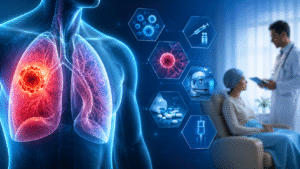
Some cancers affect the lungs and respiratory system.
Persistent Cough
A cough that lasts for weeks may indicate an underlying problem. It is one of the important Cancer symptoms.
Shortness of Breath
Difficulty in breathing without physical exertion may be a warning sign that needs evaluation.
Chest Pain
Ongoing chest discomfort can be one of the Warning signs of cancer, especially when combined with other symptoms.
Hormonal and Body Changes
Cancer can also affect hormone levels and body functions.
Frequent Fever or Infections
Recurring infections may indicate a weakened immune system. This can be linked to certain types of cancer.
Night Sweats
Excessive sweating at night without a clear cause may be one of the Cancer symptoms.
Risk Factors for Cancer
Understanding risk factors helps you take preventive steps.
Common risk factors include:
- Smoking and tobacco use
- Unhealthy diet
- Lack of physical activity
- Family history of cancer
- Exposure to harmful chemicals
Reducing these risks can help prevent the Warning signs of cancer from developing.
When Should You See a Doctor?
You should consult a doctor if you notice any unusual changes in your body that last for more than a few weeks.
Do not ignore symptoms such as:
- Persistent pain
- Unexplained weight loss
- Unusual lumps
- Changes in skin or digestion
Early consultation helps identify Cancer symptoms and address the Warning signs of cancer before they become serious.
Importance of Regular Screening
Screening tests can detect cancer even before symptoms appear. Regular check-ups are essential, especially if you have risk factors.
Common screenings include:
- Blood tests
- Imaging scans
- Cancer-specific screenings
Regular screening helps detect Cancer symptoms early and reduces the impact of Warning signs of cancer.
Healthy Lifestyle for Prevention
A healthy lifestyle can reduce your risk of cancer.
Eat Nutritious Foods
Include fruits, vegetables, and whole grains in your diet.
Stay Physically Active
Exercise helps maintain a healthy weight and reduces cancer risk.
Avoid Tobacco and Alcohol
These substances increase the risk of several types of cancer.
Manage Stress
Chronic stress can weaken your immune system. Relaxation techniques help maintain overall health.
Following these habits helps reduce the chances of developing Cancer symptoms and the Warning signs of cancer.
Importance of Awareness
Awareness is the first step toward prevention. Many people ignore early symptoms due to lack of knowledge.
By understanding Cancer symptoms and recognizing the Warning signs of cancer, you can take timely action and protect your health.
Encourage your family and friends to stay informed and prioritize regular check-ups.
Conclusion
Cancer can be life-threatening, but early detection can save lives. Paying attention to changes in your body and seeking medical advice when needed is crucial.
Recognizing Cancer symptoms and understanding the Warning signs of cancer can help you act quickly and improve treatment outcomes.
Take care of your health, stay aware, and do not ignore warning signs. Your health is your greatest asset.